 by
by Introduction
Heating and cooling your home efficiently is no longer just about comfort. It’s about energy savings, environmental impact, and long-term reliability. That’s where heat pumps come in. These systems are gaining popularity among homeowners because they handle both heating and cooling in one unit.
But how do you know if it’s time to switch? And what should you expect during installation? Let’s break it down in a simple, practical way so you can make a confident decision.
What Is a Heat Pump and How Does It Work?
A heat pump is a system that transfers heat instead of generating it. In winter, it pulls heat from the outside air and brings it indoors. In summer, it works in reverse, removing heat from your home to keep things cool.
What makes this system stand out is efficiency. Because it moves heat instead of creating it, it uses significantly less energy compared to traditional furnaces or air conditioners.
There are different types of heat pumps, including:
- Air-source heat pumps (most common)
- Ground-source (geothermal) systems
- Ductless mini-split heat pumps
Each type serves different needs, but they all share one goal: efficient year-round comfort.
Signs Your Home May Need a Heat Pump
Not every home needs a heat pump, but certain signs make it worth considering.
If your current HVAC system struggles to maintain consistent temperatures, that’s a red flag. You might also notice rising energy bills without any major change in usage. Older systems tend to lose efficiency over time.
Other signs include:
- Uneven heating or cooling in different rooms
- Frequent repairs or breakdowns
- Loud or unusual noises from your system
- Poor indoor air quality
If these issues sound familiar, upgrading to a modern solution like a heat pump can make a noticeable difference.
Energy Efficiency and Cost Savings Benefits
One of the biggest reasons homeowners switch to heat pumps is energy efficiency. These systems can reduce electricity usage compared to conventional HVAC systems, especially in moderate climates.
Because a heat pump handles both heating and cooling, you eliminate the need for separate systems. That means lower maintenance costs and fewer components that can fail.
Many homeowners exploring heat pump installation in Winchester, VA find that long-term savings outweigh the upfront investment. Reduced energy bills and improved efficiency often pay off within a few years.
Additionally, some regions offer rebates or incentives for energy-efficient upgrades, making the transition even more attractive.
What to Expect During Heat Pump Installation
Understanding the installation process helps set the right expectations.
First, a professional will assess your home. This includes checking insulation, ductwork, and overall system requirements. Proper sizing is critical. A system that’s too small won’t keep up, while one that’s too large can waste energy.
The installation process typically involves:
- Removing old equipment if necessary
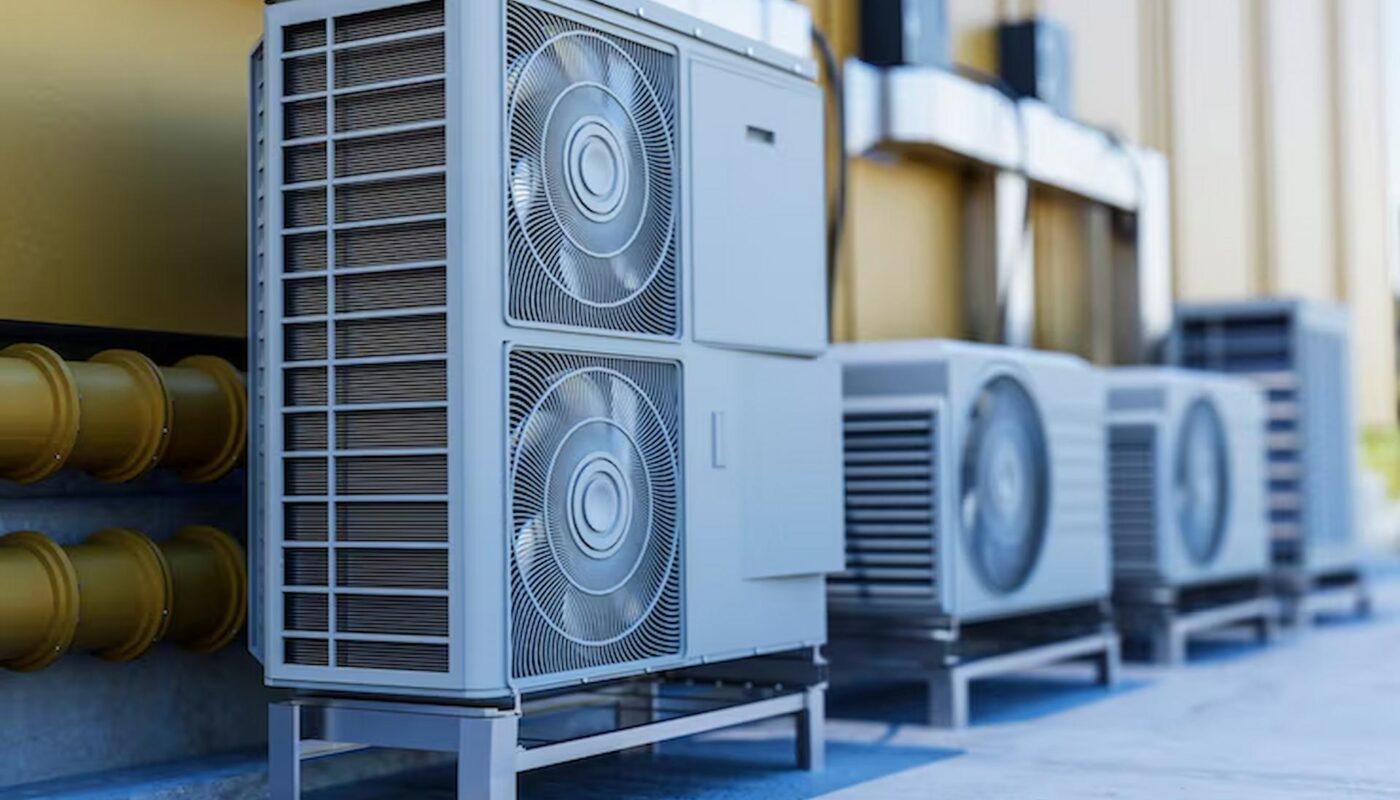
- Installing indoor and outdoor units
- Connecting refrigerant lines and electrical systems
- Testing the system for performance and efficiency
Most installations can be completed within a day or two, depending on the complexity of the setup.
Homeowners considering heat pump installation in Winchester, VA often benefit from working with experienced technicians who understand local climate conditions and housing structures.
Heat Pump vs Traditional HVAC Systems
When comparing heat pumps to traditional systems, the biggest difference is versatility.
A furnace generates heat, while an air conditioner cools. A heat pump does both. This dual functionality simplifies your home’s HVAC setup.
Here’s a quick comparison:
Heat Pump
- Provides both heating and cooling
- More energy-efficient in moderate climates
- Lower operational costs over time
Traditional HVAC
- Separate systems for heating and cooling
- Higher energy consumption
- Often more expensive to maintain
However, in extremely cold climates, some homeowners still pair heat pumps with backup heating systems for maximum comfort.
Maintenance Tips to Keep Your Heat Pump Efficient
Like any system, a heat pump needs regular maintenance to perform at its best.
The good news is that maintenance is straightforward and doesn’t require much time.
Key tips include:
- Clean or replace air filters every 1–3 months
- Keep outdoor units free from debris and obstructions
- Schedule annual professional inspections
- Check thermostat settings for efficiency
Routine care not only extends the lifespan of your system but also ensures consistent performance throughout the year.
Many homeowners who invest in heat pump installation in Winchester, VA find that regular maintenance helps them get the most value from their system.
Is a Heat Pump Right for Your Home?
Choosing the right HVAC system depends on your home’s size, location, and energy needs.
Heat pumps are ideal for homeowners looking for:
- Energy-efficient solutions
- Year-round heating and cooling
- Lower long-term operating costs
- Environmentally friendly options
If your current system is outdated or inefficient, upgrading to a heat pump can be a smart move. It’s not just about comfort. It’s about making your home more efficient and future-ready.
Final Words
Heat pumps are changing how homeowners approach heating and cooling. They offer a practical, energy-efficient alternative to traditional systems while simplifying home comfort.
If you’ve been dealing with inconsistent temperatures, rising energy bills, or frequent repairs, it may be time to consider a switch. Understanding the signs and knowing what to expect during installation can help you make the right decision without second-guessing.
In the end, a well-installed heat pump doesn’t just improve comfort. It improves how your home performs every single day.