 by
by Preserving the charm of a listed building often comes with a compromise—modern comfort. Traditional heating systems can be intrusive, expensive to install, and sometimes restricted by conservation regulations. As energy efficiency standards tighten and homeowners seek flexible solutions, electric radiators are quietly emerging as a practical alternative that respects both heritage and comfort.
Unlike conventional systems that rely on extensive pipework or structural changes, electric radiators offer a simpler approach. They deliver consistent warmth without disrupting original features, making them especially suitable for historic properties where alterations are limited.
Why Listed Buildings Need a Different Heating Approach
Listed buildings are protected for their historical or architectural significance. This means any renovation, including heating upgrades, must comply with strict guidelines. Installing traditional central heating often involves lifting floors, chasing walls, or altering original materials—all of which can be restricted or require lengthy approvals.
In many cases, property owners start their journey by exploring an electric radiator installation guide to understand how these systems can be fitted with minimal intervention. This approach helps them visualise a heating upgrade that aligns with building regulations while maintaining architectural integrity.
Electric radiators bypass many of these challenges. Because they do not depend on a boiler or pipe network, installation is far less invasive. This makes them a preferred option for homeowners looking to modernise without compromising protected features such as mouldings, fireplaces, or timber floors.
How Electric Radiators Work in Heritage Homes
Electric radiators convert electricity into heat using internal heating elements. Modern designs include advanced thermostats, timers, and smart controls, allowing precise temperature management.
For listed buildings, this level of control is particularly valuable. Instead of heating the entire property, homeowners can focus on occupied spaces. This reduces energy waste and helps manage costs, especially in larger or older properties where heat retention may be inconsistent.
The installation process is straightforward. Most units can be wall-mounted or freestanding, requiring only a standard electrical connection. This simplicity ensures that original walls and flooring remain untouched, preserving the building’s authenticity.
Balancing Efficiency with Preservation
Energy efficiency is a growing concern for heritage property owners. Older buildings often struggle to meet modern standards, leading to higher energy consumption. Electric radiators offer a way to improve efficiency without extensive retrofitting.
Modern electric radiators are designed with energy-saving features such as programmable heating schedules and adaptive start functions. These technologies ensure that rooms are heated only when needed, reducing unnecessary energy use.
When reviewing an electric radiator installation guide, homeowners often discover how zoning capabilities can transform energy management. Instead of relying on a single heating source, each radiator operates independently, offering tailored comfort and improved efficiency.
Installation Without Compromise
One of the biggest advantages of electric radiators is their ease of installation. Traditional systems can take weeks to install, often requiring significant disruption. In contrast, electric radiators can typically be installed quickly with minimal impact on daily life.
For listed buildings, this is a crucial benefit. The ability to install heating without altering the structure simplifies the approval process and reduces the risk of damaging original features.
Professional installation ensures compliance with electrical standards and optimises performance. However, the overall process remains far less complex than installing a boiler-based system, making it an attractive option for both homeowners and conservation authorities.
Aesthetic Compatibility with Historic Interiors
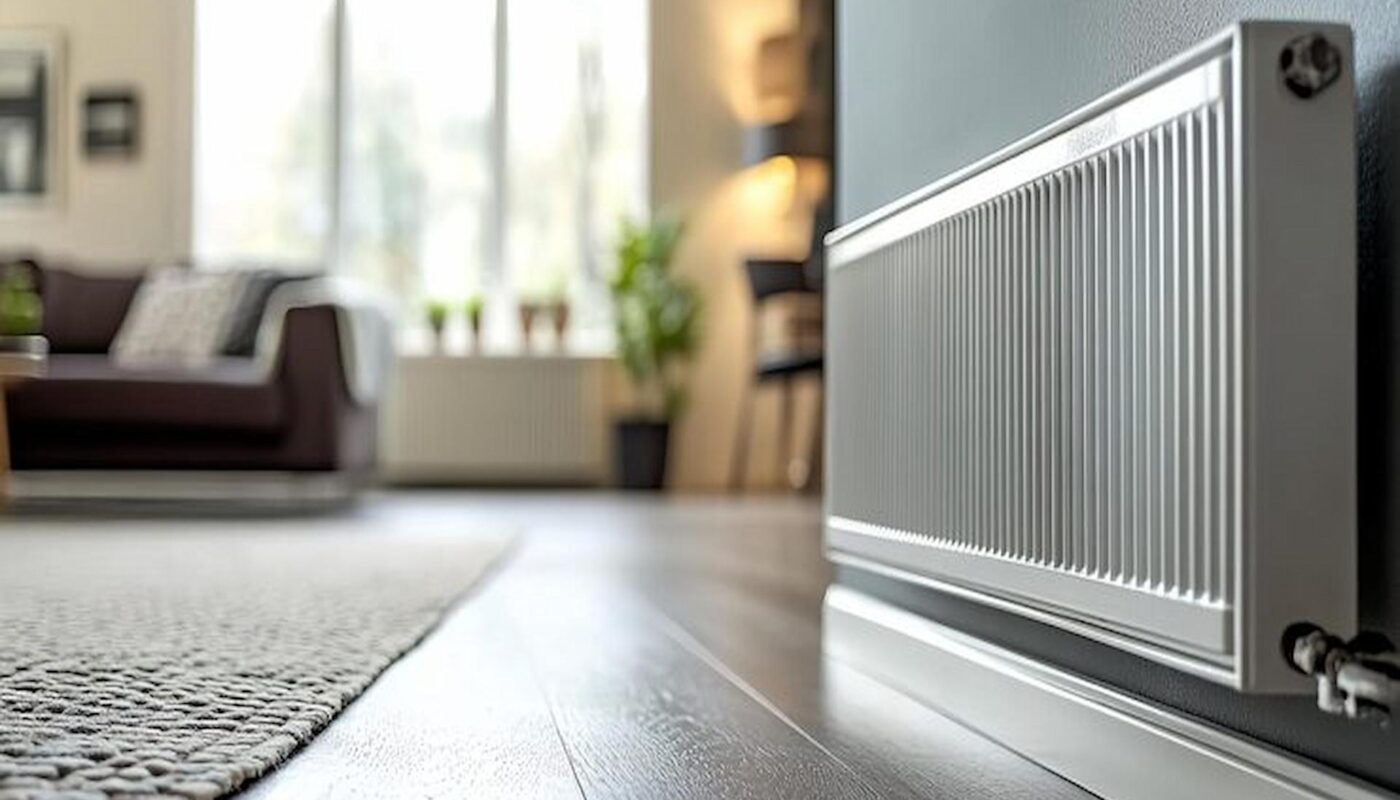
A common concern with modern heating solutions is whether they will suit traditional interiors. Electric radiators have evolved significantly in design, offering sleek, minimal profiles as well as classic styles that blend seamlessly with period décor.
Some models are specifically designed to complement heritage aesthetics, featuring finishes and shapes that align with traditional interiors. This ensures that the heating system enhances rather than detracts from the building’s character.
The flexibility in design also allows for creative placement, ensuring that radiators do not interfere with key architectural features.
Cost Considerations and Long-Term Value
While the initial cost of electric radiators can vary, they often prove cost-effective in the long run. The absence of a boiler reduces maintenance expenses, and the ability to control heating on a room-by-room basis can lead to significant energy savings.
For listed building owners, the reduced need for structural work also translates into lower installation costs. Avoiding major renovations not only saves money but also preserves the building’s historical value.
Over time, the combination of efficiency, flexibility, and low maintenance makes electric radiators a practical investment.
Wrapping Up
Electric radiators offer a compelling solution for heating listed buildings. They combine modern efficiency with minimal disruption, allowing homeowners to enjoy improved comfort without compromising heritage features. Their ease of installation, flexible control, and compatibility with traditional interiors make them a standout choice in a challenging context.
As more property owners seek sustainable and practical heating options, electric radiators are proving that innovation and preservation can go hand in hand. For those navigating the complexities of listed building regulations, this solution provides a balanced path forward—one that respects the past while embracing the future.