 by
by For generations, the standard blueprint for growing cities relied heavily on grey infrastructure: asphalt, concrete, and massive underground drainage networks. As urban landscapes expand rapidly against a backdrop of erratic climate patterns, this traditional approach is meeting its physical limits. Metropolises are experiencing severe urban heat island effects, localised flooding from overburdened sewers, and a noticeable decline in urban biodiversity. To build cities that can thrive through the next century, forward-thinking developers and local authorities are shifting their focus from fighting nature to working directly alongside it.
This ecological shift is completely changing how municipalities manage public spaces, water systems, and neighborhood design. Integrating living natural systems into the concrete fabric of our cities demands high-level environmental expertise and structural oversight from the very beginning. To successfully weave biodiversity into built environments, public and private sectors utilise a specialised Green infrastructure consultancy via platforms like https://artemis.uk.net/green-infrastructure-planning/. This strategic integration ensures that sustainable drainage, living walls, and community parklands are not merely decorative additions but highly functional ecological systems that protect urban communities from escalating climate stressors.
Reimagining Urban Water Management
Traditional civil engineering treats rain as an immediate hazard, focusing on removing water from streets as quickly as possible through underground pipes. Nature-based solutions flip this philosophy on its head, viewing rainwater as a precious localised resource.
Sustainable Drainage Systems (SuDS)
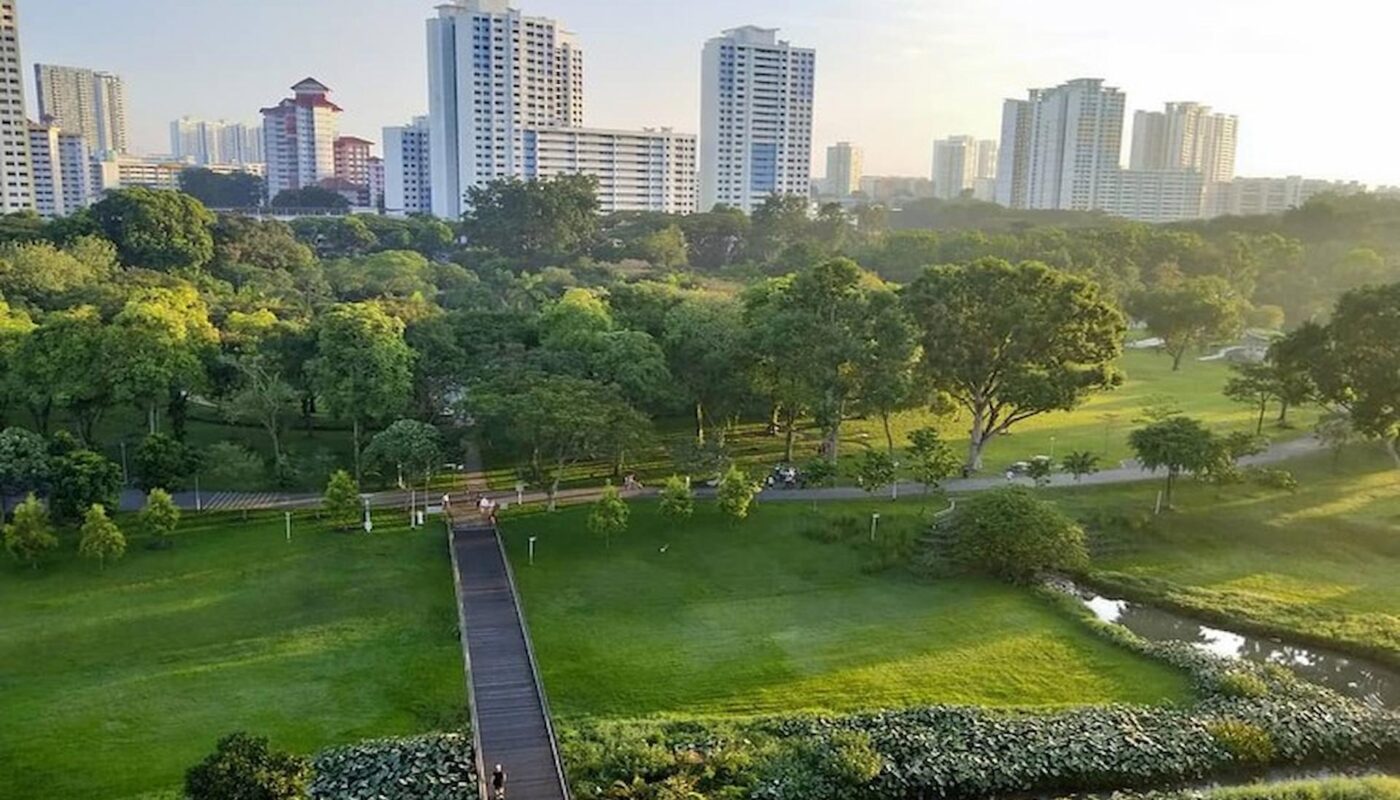
SuDS mimic natural landscapes by slowing down, filtering, and storing water close to where it falls. Instead of rushing directly into overloaded public sewers, rainwater is directed into rain gardens, bioswales, and retention ponds. These features feature native reeds and soil profiles that naturally purify the runoff, removing pollutants and heavy sediments before the water absorbs back into the ground. This process significantly drops the risk of flash flooding during sudden downpours while creating vital pockets of wetland habitats across city centers.
Permeable Surfaces and Living Roofs
Replacing non-porous concrete with permeable paving slabs allows rainwater to infiltrate directly into the ground beneath our feet. Above street level, green roofs are transforming flat, industrial tops into vibrant ecosystems. These living roofs absorb up to seventy percent of rainfall, reducing the immediate volume entering drainage networks. Simultaneously, the layers of vegetation provide exceptional natural insulation, cooling buildings during heatwaves and dramatically dropping winter heating demands.
Mitigating the Urban Heat Island Effect
As brick, stone, and dark tarmac absorb and radiate solar energy, cities become noticeably warmer than their rural surroundings. This temperature surge impacts air quality and places a massive strain on energy grids due to air conditioning demands.
The Power of Urban Forestry
Strategic tree planting is one of the most effective tools available to modern town planners. A dense canopy of native British trees, such as oak, birch, and field maple, blocks direct solar radiation from hitting pavements and building facades. Additionally, trees actively cool the local atmosphere through evapotranspiration, a natural process where plants release moisture vapour into the air. This natural cooling effect can lower local summer temperatures by several degrees, making urban streets substantially more comfortable and safer for vulnerable residents.
Vertical Greening in Dense Spaces
Where land values are high and street space is restricted, planners look upwards. Living walls use modular vertical systems to support climbing ivy, ferns, and flowering perennials directly on building exteriors. These vertical ecosystems act as physical barriers against solar gain while absorbing ambient traffic noise and capturing harmful particulate matter from vehicle exhausts, drastically improving localised air quality.
Maximising the Social and Ecological Value of Urban Space
Investing in nature-based infrastructure yields massive returns across environmental, economic, and social sectors. When green spaces are accessible and integrated, they fundamentally improve the standard of urban living:
- Enhanced Biodiversity Networks: Creating connected green corridors allows pollinators, birds, and small mammals to travel safely between isolated urban parks.
- Improved Community Well-Being: Regular access to green spaces is proven to drop cortisol levels, reduce anxiety, and improve general mental health among city dwellers.
- Natural Carbon Sequestration: Urban vegetation actively captures and stores atmospheric carbon, helping local authorities meet their net-zero carbon targets.
- Elevated Property Attractiveness: Well-landscaped neighborhoods with abundant greenery attract higher commercial investment and boost residential property values.
- Passive Air Filtration: Broad-leafed trees and green walls trap dust and gaseous pollutants, creating cleaner air corridors along busy pedestrian routes.
Creating a Resilient Blueprint
The transformation of our cities depends entirely on forward-looking planning methodologies. To ensure that new housing developments and commercial hubs support local ecosystems, master plans must prioritise green networks before laying the first foundations. Through proper Green infrastructure planning at https://artemis.uk.net/green-infrastructure-planning/, development teams can seamlessly align corporate growth with ecological longevity. This proactive strategy ensures that urban areas remain liveable, resilient, and biodiverse, safeguarding human and natural communities for generations to come.
Cultivating Tomorrow’s Eco-Cities
Transitioning toward nature-based urban planning is a practical necessity for sustainable development. By prioritising green infrastructure, sustainable drainage systems, and extensive urban forestry, cities can effectively shield themselves from severe weather impacts while addressing biodiversity loss. This intentional alignment of nature and architecture reduces long-term maintenance costs, improves public health, and creates highly adaptable urban spaces. Ultimately, embracing these natural strategies ensures our expanding urban centers remain vibrant, healthy, and resilient environments that foster a balanced relationship between humans and the natural world.