 by
by Planning improvements for rural property requires more than choosing building designs or landscaping ideas. One of the most important long-term investments is securing a dependable water supply that can support residential living, farming operations, irrigation systems, and future development projects. Modern water infrastructure plays a critical role in property value, sustainability, and overall functionality, especially in remote areas where municipal water access may not be available. Professional water well drilling services provide landowners with reliable groundwater access while supporting energy efficiency, agricultural productivity, and long-term self-sufficiency.
With advancements in drilling technology, groundwater mapping, and high-efficiency pump systems, today’s well solutions are more accurate, durable, and environmentally responsible than ever before. Understanding how modern well systems fit into rural property planning can help homeowners and land developers make smarter decisions that support both immediate needs and future expansion goals.
Why Water Access Shapes Rural Development
Water availability affects nearly every aspect of rural property planning. Before construction starts, landowners often need to evaluate how water will support both current and future demands. A small countryside home may initially require modest usage, but additional buildings, gardens, workshops, or farming activities can quickly increase demand over time.
Reliable water infrastructure also adds long-term value to rural land. Properties with dependable groundwater access are generally more attractive to buyers, developers, and agricultural operators. In regions where drought conditions or seasonal water restrictions are common, a private well can provide greater stability and independence.
Modern drilling methods now allow property owners to access groundwater more efficiently and with greater precision than in previous decades. Improved geological surveying, drilling equipment, and pump technologies help reduce uncertainty during the installation process while improving overall system performance.
Understanding Modern Water Well Drilling Technology
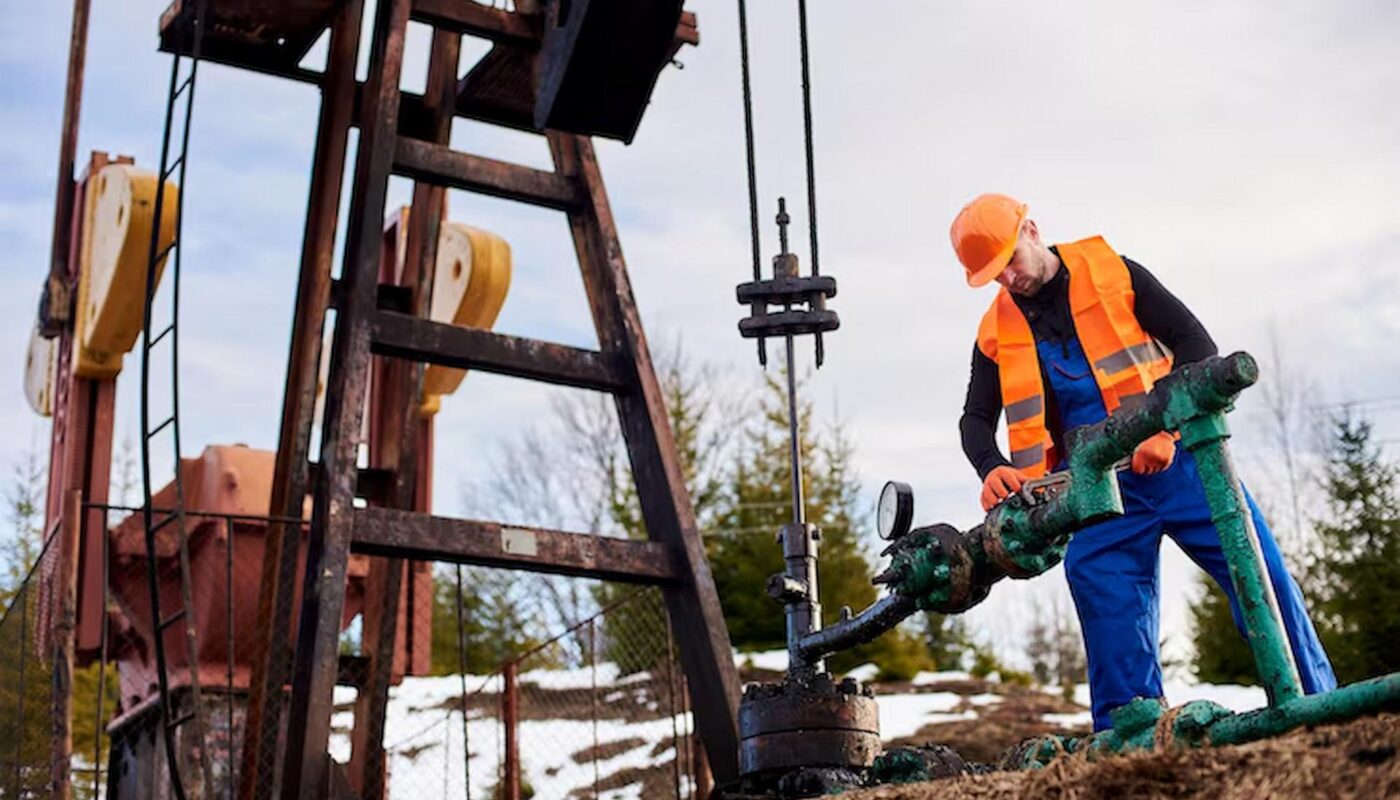
Traditional well drilling methods often involved considerable guesswork, but modern systems use advanced tools and geological analysis to identify suitable groundwater sources more accurately. Professional drilling contractors typically evaluate soil conditions, underground rock formations, aquifer depth, and expected water yield before beginning the project.
Contemporary drilling equipment can handle a wide range of terrain conditions, including rocky landscapes, clay-heavy soil, and uneven rural environments. Depending on the location and water requirements, contractors may recommend different well types and drilling techniques suited to the property’s geology.
Modern well systems also include improved casing materials, energy-efficient pumps, and water filtration solutions designed to maintain water quality and reduce maintenance concerns. Many newer systems can integrate with smart monitoring technology that tracks water usage, pump performance, and pressure levels in real time.
This combination of engineering and monitoring helps property owners manage water resources more efficiently while reducing the likelihood of unexpected system failures.
Planning Water Needs Before Construction Begins
One of the most common mistakes rural property owners make is delaying water planning until late in the construction process. Establishing a well early allows developers, builders, and homeowners to better understand site conditions and infrastructure requirements before major work begins.
Several factors should be considered during the planning stage:
- Daily household water consumption
- Irrigation requirements for landscaping or crops
- Livestock water demands
- Future building expansions
- Seasonal climate conditions
- Local groundwater regulations
Evaluating these elements early helps ensure the well system is properly sized for long-term use rather than immediate needs alone.
Property layout also plays an important role. Well placement must account for septic systems, drainage areas, buildings, driveways, and environmental protection guidelines. Professional drilling companies can help identify compliant locations that minimise contamination risks while allowing easy access for future servicing.
Sustainability and Long-Term Resource Management
Sustainability has become an increasingly important consideration in rural property development. Water conservation strategies now work alongside well installation to support responsible groundwater management.
Modern well systems often include variable-speed pumps that reduce energy usage by adjusting output based on actual demand. Pressure tanks and efficient plumbing designs also help minimise unnecessary strain on the system.
Many rural homeowners combine private wells with additional conservation measures such as:
- Rainwater harvesting systems
- Drought-resistant landscaping
- Smart irrigation controls
- Greywater recycling solutions
- Soil moisture monitoring tools
These practices can significantly reduce overall water consumption while protecting groundwater reserves over time.
Responsible well management also involves routine testing and maintenance. Groundwater conditions can change due to environmental factors, nearby development, or seasonal shifts. Regular inspections help maintain water quality and system reliability while preventing costly repairs.
Supporting Agricultural and Lifestyle Goals
Rural properties are often designed around lifestyle flexibility and self-sufficiency. For agricultural landowners, reliable groundwater access can directly influence productivity and operational planning.
Livestock operations require stable water supplies throughout the year, particularly during warmer months when demand increases. Irrigation systems for crops, orchards, or gardens also depend on consistent water pressure and supply capacity.
Beyond agriculture, private wells support a wide range of rural lifestyle improvements. Homeowners may install outdoor kitchens, workshops, greenhouses, guest accommodation, or recreational spaces that all require dependable water access.
Modern water well drilling solutions allow property owners to scale infrastructure more effectively as their plans evolve. This flexibility is particularly valuable for multi-purpose rural properties where residential, recreational, and agricultural uses overlap.
Regulatory Considerations and Professional Guidance
Water well installation involves more than drilling alone. Local regulations often govern permits, environmental protections, testing requirements, and construction standards. Requirements can vary significantly depending on the region, groundwater conditions, and intended water usage.
Working with experienced professionals helps ensure compliance with local regulations while reducing delays or unexpected costs. Reputable contractors typically handle permit applications, geological assessments, and system recommendations as part of the planning process.
Professional guidance is especially important when evaluating water quality concerns. Groundwater may contain naturally occurring minerals or contaminants that require specialized treatment systems. Testing before and after installation helps determine whether filtration, softening, or purification systems are necessary.
Property owners should also consider long-term servicing and accessibility. Wells require occasional maintenance, pump inspections, and system monitoring. Proper installation planning makes these tasks simpler and more cost-effective over the life of the system.
Balancing Cost with Long-Term Value
Installing a private well represents a significant investment, but it often delivers substantial long-term benefits for rural property owners. While upfront costs vary depending on drilling depth, terrain conditions, equipment, and water treatment needs, many owners view the investment as essential infrastructure rather than an optional upgrade.
A reliable well system can reduce ongoing utility expenses, improve property usability, and support future expansion plans. In remote areas, private groundwater access may also eliminate the need for expensive water delivery services or large storage systems.
Importantly, modern systems are designed for durability and efficiency. With proper maintenance, many well systems continue operating effectively for decades, making them one of the most practical long-term improvements for rural land development.
Conclusion
Planning rural property improvements requires careful attention to infrastructure, sustainability, and future growth. Among all essential services, dependable water access remains one of the most valuable investments a property owner can make. Modern drilling technologies now provide more efficient, accurate, and sustainable solutions that support residential living, agriculture, and long-term land development goals.
From improving property value to supporting self-sufficiency and environmental responsibility, professionally installed well systems offer benefits that extend far beyond basic water access. By planning early, working with experienced professionals, and considering future needs, rural property owners can build stronger foundations for both immediate projects and long-term success.