 by
by Modern industrial production relies heavily on the ability to transform raw materials into precise, functional components that meet strict performance standards. From heavy agricultural machinery to complex processing equipment, custom manufacturing solutions are essential for keeping supply chains moving efficiently. Specialized forming techniques allow engineers to create intricate geometric shapes that maximize structural strength while minimizing material waste across diverse commercial applications.
Partnering with an experienced facility for your precision components ensures that every manufacturing run aligns perfectly with your exact engineering specifications. Utilizing professional sheet metal fabrication in Madera, CA, allows regional businesses to streamline their production timelines and eliminate costly shipping delays. Local manufacturing centers provide the advanced technical equipment necessary to handle high-volume production runs without sacrificing dimensional accuracy.
Advanced Techniques in Custom Metal Forming
Modern manufacturing has advanced far beyond simple bending and cutting, incorporating high-tech automation to achieve unparalleled repeat accuracy. Computer Numerical Control (CNC) press brakes utilize programmable software to execute highly complex multi-angle bends with absolute precision. This automated approach eliminates human error, guaranteeing that the thousandth part of the assembly line is completely identical to the very first prototype.
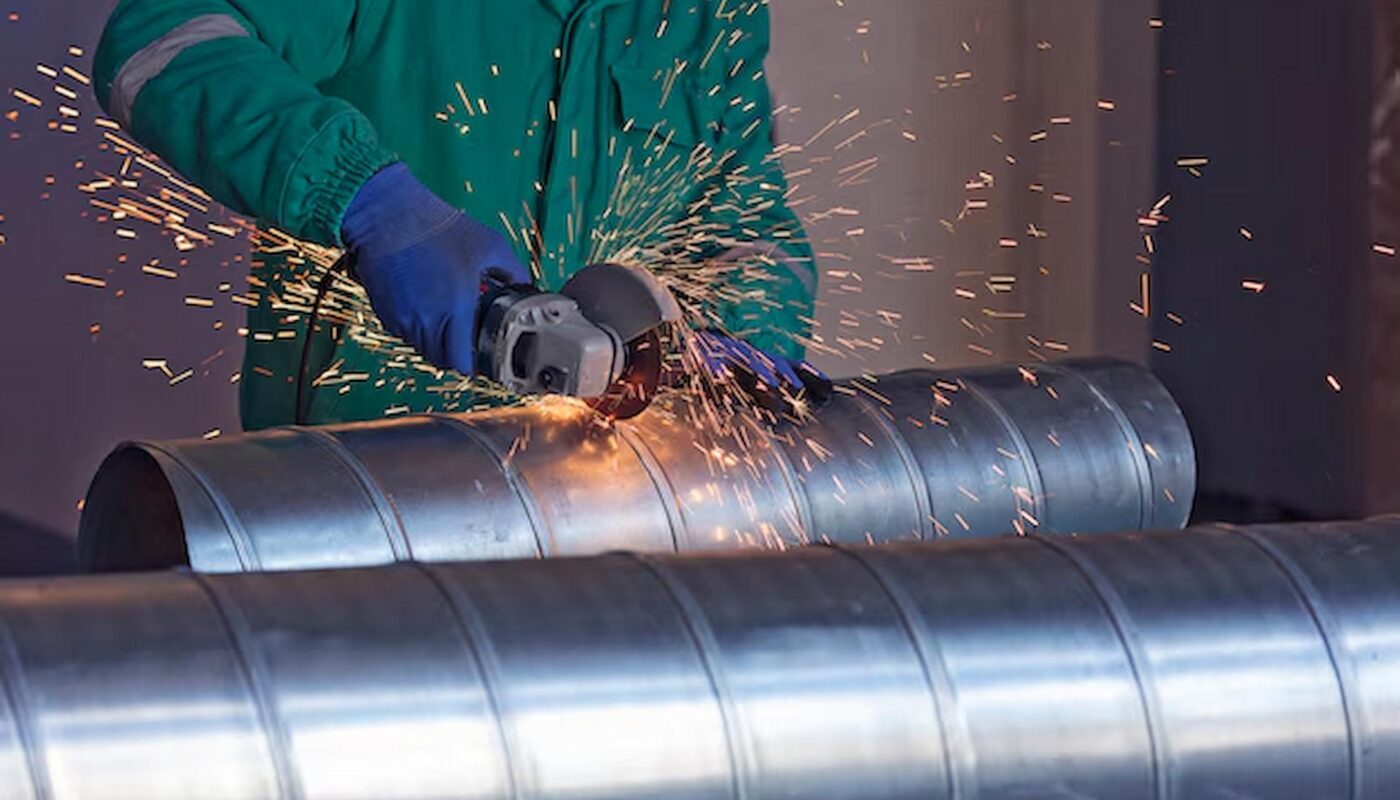
Furthermore, specialized laser cutting systems can slice through thick steel, aluminum, or copper plates with minimal thermal distortion. When local businesses contract for premium sheet metal fabrication in Madera, CA, they gain access to these advanced processing capabilities without making massive capital investments in machinery. This shared technical infrastructure allows mid-sized agricultural and processing operations to compete effectively on a global manufacturing scale.
- CNC Press Braking: Offers automated, high-precision bending angles across multiple axes for complex component geometries.
- Fiber Laser Cutting: Delivers incredibly clean edge finishes and tight tolerances with minimal heat-affected zones.
- Deep Drawing: Stretches raw material sheets into deep, seamless hollow shapes ideal for heavy-duty enclosures.
- Turret Punching: Rapidly generates patterns of holes and slots efficiently during high-volume production operations.
- Robotic Welding: Ensures deep, consistent structural joints that can withstand extreme mechanical operating stresses.
Material Selection for Industrial Environments
Choosing the correct alloy is a critical phase of the production process that directly impacts product longevity and overall performance. Stainless steel varieties are highly prized in food processing and agricultural sectors due to their natural resistance to corrosion and chemical washes. Aluminum offers an excellent high-strength-to-weight ratio, making it the preferred option for transportation components and aerospace structural assemblies.
Industrial manufacturers must also consider how environmental conditions like ambient temperature and chemical exposure will affect the finished part. Carbon steel remains a reliable staple for heavy infrastructure brackets and machine frames because of its exceptional structural durability and cost-effectiveness. Discussing these metallurgical variables with local engineers ensures that your finished parts perform reliably under intense field conditions.
Improving Efficiency and Lowering Supply Chain Risks
Integrating custom manufacturing directly into your assembly framework can yield massive improvements in your operational efficiency. Utilizing pre-formed, ready-to-assemble brackets reduces the time your internal staff spends on manual modifications and welding. This strategic optimization allows your facility to maximize its daily production output while keeping labor expenses completely predictable throughout the fiscal year.
- Reduced Assembly Times: Ready-to-install parts eliminate the need for secondary drilling, grinding, or deburring.
- Optimized Material Yields: Nesting software arranges parts efficiently on raw sheets to minimize scrap material expense.
- Localized Logistics Control: Sourcing parts regionally minimizes shipping delays caused by overseas port congestion.
- Scalable Production Volumes: Flexible manufacturing cells adapt quickly to accommodate seasonal spikes in commercial demand.
- Strict Quality Documentation: Digital verification tools track tolerances continuously to ensure regulatory safety compliance.
The Structural Advantages of Precision Tooling
Custom forming tools allow manufacturers to introduce stiffening ribs, bosses, and flanges directly into the sheet structure itself. This mechanical enhancement allows a thinner gauge of metal to carry a significantly higher load capacity than a thick, flat plate would. By engineering strength through geometry rather than material thickness, designers reduce the weight and material cost of the finished machinery.
Partnering with Local Manufacturing Experts
Collaborating with local fabrication facilities fosters clear communication and enables rapid prototyping cycles. Engineers can easily review digital design files, identify potential stress concentration zones, and modify lines before expensive tooling begins. This close technical partnership protects your development budget, accelerates your time-to-market, and ensures a seamless transition from concept to high-volume manufacturing.
Final Analysis
Bespoke sheet metal forming provides critical industrial production solutions that enhance mechanical strength, reduce assembly labor, and lower material costs. Utilizing advanced technologies like CNC press braking and fiber laser cutting guarantees strict dimensional compliance for high-volume component runs. Partnering with a professional facility for sheet metal fabrication ensures dependable logistics and access to top-tier metallurgical expertise. By prioritizing smart geometry and regional sourcing, industrial businesses optimize their supply chains, safeguard their product quality, and achieve a sustainable competitive advantage in today’s demanding market.